

Homemade sweet pickle relish for canning that tastes like the familiar one from childhood, without the corn syrup or food dye. Safe for water bath canning in half-pint jars, and perfect for tuna salad.
This sweet pickle relish for canning is a bright, Midwest-style green relish made from chopped cucumbers, sweet peppers, onion, sugar, and vinegar. It tastes a lot like the Vlasic I grew up on, sweet and tangy with a little warm spice, only fresher. Plan on about 4 hours of soaking, a 24-hour rest, and a quick 10-minute processing time. It is the relish I reach for every time I make tuna salad.
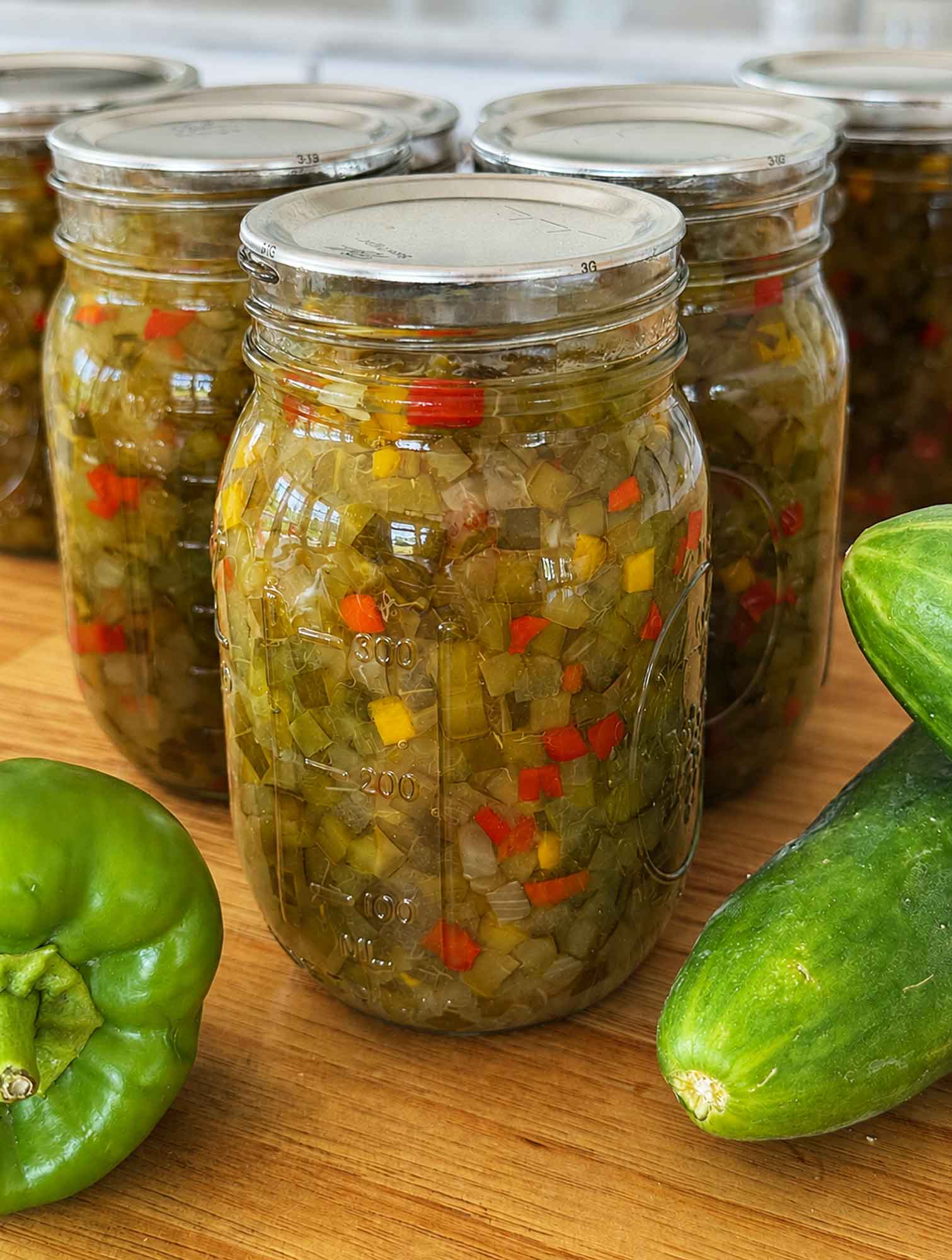
A Better, Fresher Relish You’re Going to Love!

For years the ingredient list on a jar of sweet relish bothered me as I used my favorite brand. High fructose corn syrup, sodium benzoate, polysorbate 80, and Yellow 5 are not things I need. And on top of that, the relish I used to love has somehow changed and gotten more mushy and liquidy, making my tuna salad more like tuna soup.
So I finally sat down and worked out this homemade sweet relish that hits that same clean, sweet flavor I remember, without any of the stuff I don’t need or want. And I discovered that a homemade sweet relish is even better, fresher, crunchier … and makes my tuna salad sandwiches that much more amazing!
So now I make my own sweet relish and preserve it in jars with safe water bath canning methods, so I can enjoy a better relish all year long. If canning’s not your thing, you can simply make a batch that will last in the refrigerator long enough to get a bunch of use out of it, too!
Let’s dig in!

Table of Contents
- A Better, Fresher Relish You’re Going to Love!
- What Makes My Sweet Relish Different?
- How Does It Compare to Vlasic? A Blind Taste Test
- The Ingredients You’ll Need
- Is It Safe to Can Sweet Relish at Home?
- How to Make Sweet Pickle Relish, Step by Step
- How to Use Your Sweet Relish
- How to Store Sweet Pickle Relish
- Just Want One Jar? Small-Batch Refrigerator Relish
- Sweet Relish FAQ
- Can I chop the vegetables a day ahead and finish in the morning?
- Do I have to soak the vegetables for 4 hours?
- How do I know when my vegetables are drained well enough?
- How long do I boil the vinegar, sugar, and spices?
- Does the spice bag stay in during the 24-hour rest?
- Will the mustard seed make it taste mustardy?
- Why did my relish come out yellow instead of green?
- Can I make it less sweet?
- Can I use apple cider vinegar instead of white?
- Can I make a dill pickle relish instead?
- My jars didn’t all seal. What now?
What Makes My Sweet Relish Different?
When most of us up here in the Midwest say “sweet relish,” we mean that bright, clean, cucumber-forward sweet pickle relish in the green jar or bottle. It is sweet and tangy, mild, and a little bit sunny from the spices. Southern-style sweet relishes often lean darker and more complex, sometimes built on green tomatoes or a heavier hand of warm spice, closer to a chow-chow. This recipe is squarely the Midwest kind, because that is the flavor I wanted on my tuna sandwich.
The store version I was chasing gets its sweetness from high fructose corn syrup and its color from Yellow 5. We are going to do it differently. Real sugar carries the sweet, the cucumber skins carry the green, and a small bag of whole spices carries that familiar warm note. That is it.

Want to Save This Recipe?
Enter your email below and we’ll send it straight to your inbox! Plus you’ll get new recipes each week!
How Does It Compare to Vlasic? A Blind Taste Test
I could not write a whole post about tasting like Vlasic and then skip the proof, so Greg and I sat down and did a blind taste test with this homemade relish against a jar of Vlasic sweet pickle relish. We both landed in the same spot, which does not always happen in this house.
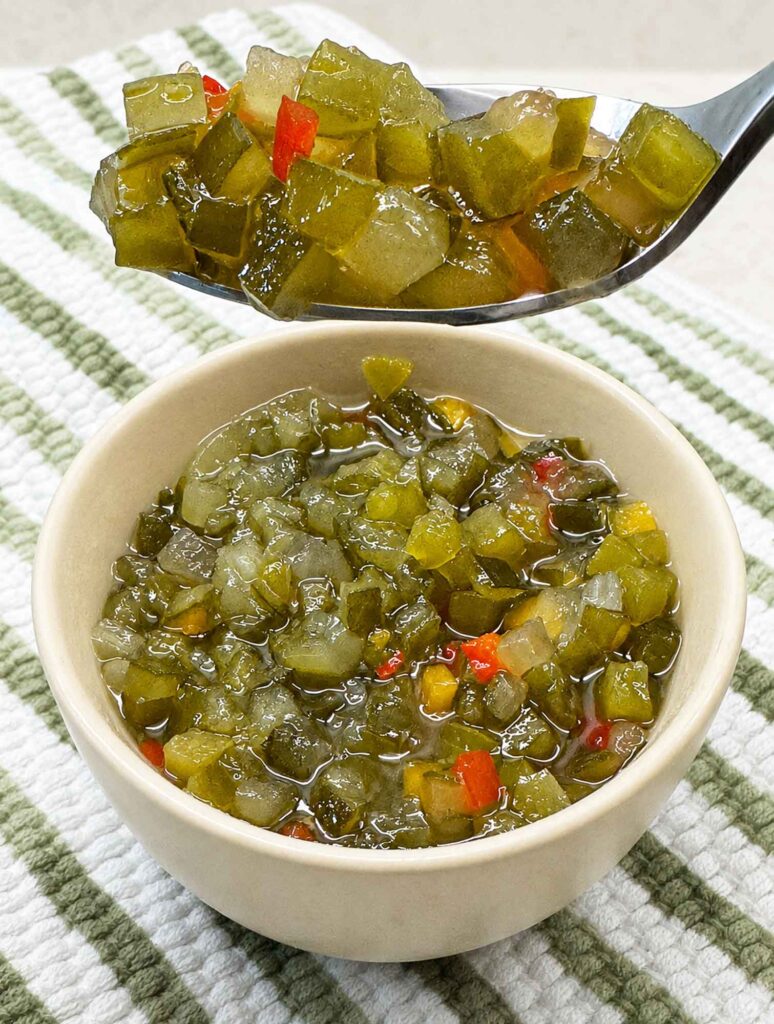
The homemade version tasted fresher, plain and simple. The cucumbers had real substance and actually ate like cucumbers instead of mush, and the flavor was clean and really good. We both kept coming back to the word “edible,” like it just tasted more like real food.
The Vlasic was noticeably sweeter, and both of us said so before we knew which was which. Its flavor was stronger too, though stronger did not mean better here. It came across heavier and more one-note next to the fresh batch. So if you love that extra-sweet green-jar punch, take the sugar up to the full 3 cups. But if you have ever found Vlasic a little too sweet or too strong, I think this one is going to win you over.
The Ingredients You’ll Need
This is a cucumber relish first and foremost, so the cucumbers do most of the work. Here is what each thing is doing, and where you have a little wiggle room.
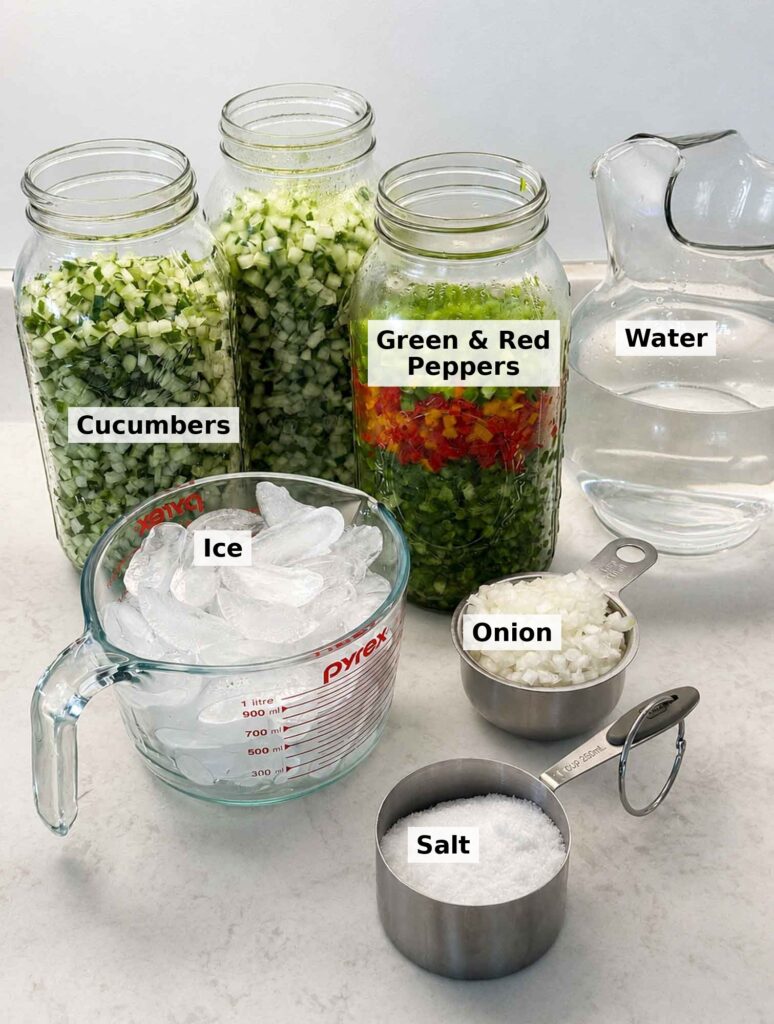
- Cucumbers: Pickling cucumbers (like Kirbys) are the firm, traditional choice, but regular garden or slicing cucumbers work beautifully too. That is what I used here, since I did not plant pickling cucumbers this year, and the relish still came out crisp and green. Leave the skins on for that green color, and only peel and seed them if the skin is thick and waxed or the cucumber is big and full of soft seeds. (Be aware that most non-pickling cucumbers sold in grocery stores are waxed, so you’ll want to peel those.) Either way, the salt soak pulls out the extra water so it never turns watery.
- Sweet peppers: The recipe uses green bell peppers and red bell peppers. The green keeps things looking fresh and the red gives you those pretty little flecks, just like the jarred kind. You can lean mostly green if you want a greener relish, just keep the total amount of pepper the same.
- Onion: Just one cup, finely chopped. It is there for background savoriness, not to taste oniony.
- Sugar: Plain white sugar does the sweetening. The tested recipe uses 2 cups, which is nicely balanced. Vlasic runs quite sweet, so if you want that same green-jar sweetness, go for the full 3 cups. Adding more sugar is always safe in a pickle, so sweeten to your taste and personal preference.
- White vinegar (5% acidity): This is the one ingredient you never reduce. The vinegar is what makes this relish safe to can, so keep it at the full amount and make sure the label says 5% acidity.
- Whole spices: Mustard seed, whole allspice, whole cloves, and celery seed tied up in a little spice bag. They steep their flavor into the syrup and then come out, so you get the taste without biting into a clove.
WHy We Skip The Turmeric?

The classic tested recipe includes turmeric powder, but turmeric is what turns relish golden-yellow. Since we want a green relish with no food dye, we simply leave it out. Spices are only there for flavor and color, so skipping one does not affect whether the relish is safe to can. Your green stays green.
Is It Safe to Can Sweet Relish at Home?
Yes, and this is the part to get right, because canning safety matters more than anything else here. Sweet relish is a high-acid pickled food. All that vinegar drops the acidity low enough that a boiling water bath is exactly the right, tested method.
Why You Can trust This Recipe

This recipe follows the USDA and National Center for Home Food Preservation proportions and their Principles of Home Canning, so as long as you keep the vinegar at the full amount, you are on solid ground.
You want a boiling water bath canner for this recipe. Relish is not a low-acid food, so it does not get processed under pressure. If a pressure canner is the only big pot you own, you can absolutely use it as a water bath canner. Just set it up with the rack in the bottom, cover the jars by at least an inch or two of water, and leave the lid off or unlocked so no pressure builds. Be careful not to lock it down and bring it up to pressure, because that would turn your relish to mush and it is not the tested method for this food.
If this is your first time canning, don’t let any of this intimidate you. One common worry is whether the jars will seal. Don’t worry if you hear a few late pops after they come out… that satisfying little “ping” can happen for a while as the jars cool, and it is totally normal.
How to Make Sweet Pickle Relish, Step by Step
We are really making this in three stages: soaking the vegetables, letting everything rest overnight, and then canning. I will walk you through each one, and the full measurements are in the recipe card below.
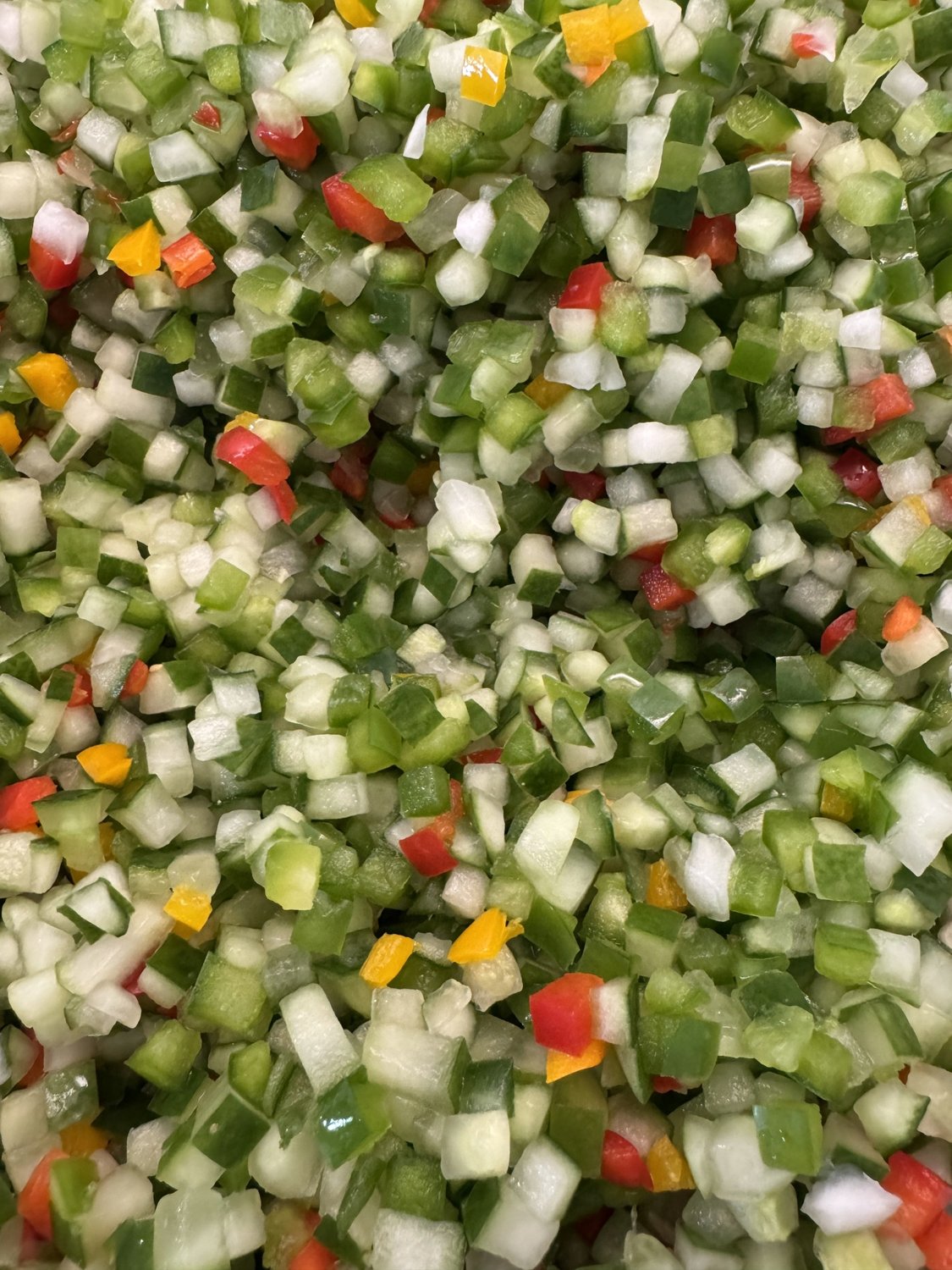
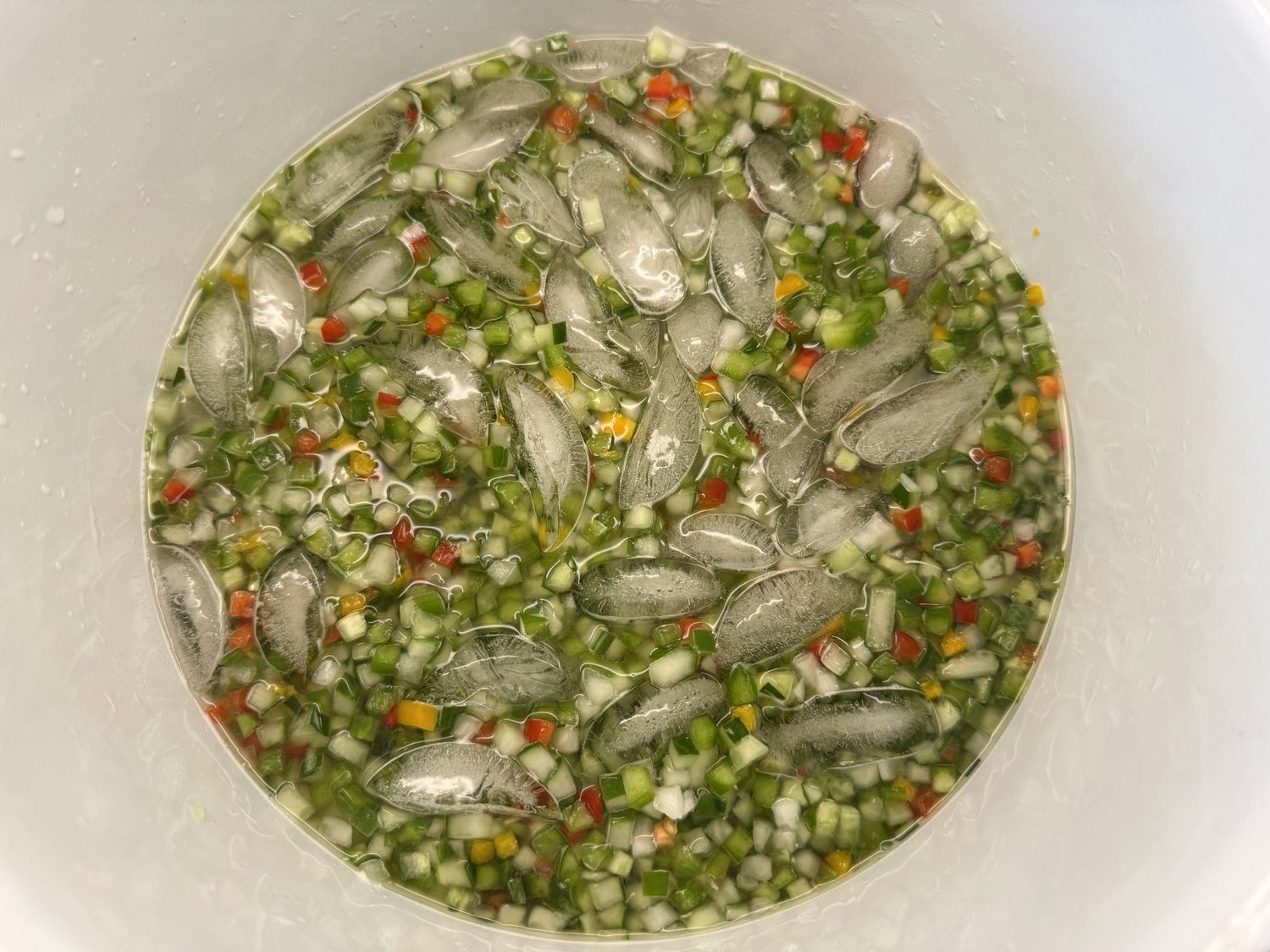
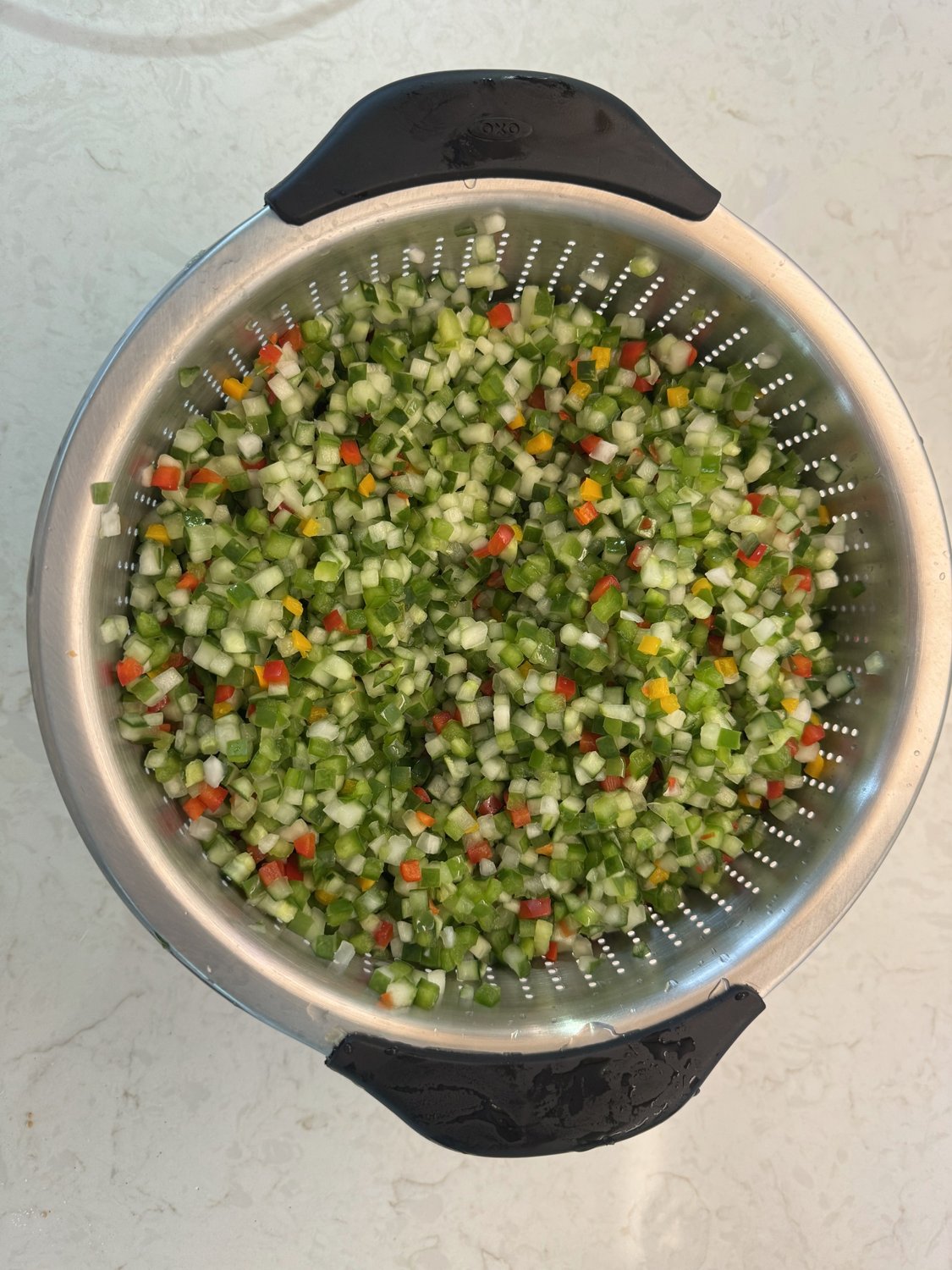
First, we soak. Finely chop your cucumbers, peppers, and onion. A food processor makes quick work of this, just pulse it so you get an even chop into small pieces and not baby food. You can also use a manual food chopper or a knife, of course. Use a large bowl made of glass, ceramic, or food-grade plastic for the soak, not a reactive metal one like aluminum, copper, or cast iron, since the salt can react with the metal and leave an off taste (stainless steel is the one metal that is fine). Stir the vegetables together in that large bowl with the canning salt, ice, and cold water, and let them sit at room temperature for 4 hours. This helps because the salt draws out extra water, which is what keeps your finished relish crisp instead of soggy. After 4 hours, drain them, cover them with fresh ice water for one more hour, and drain again well.
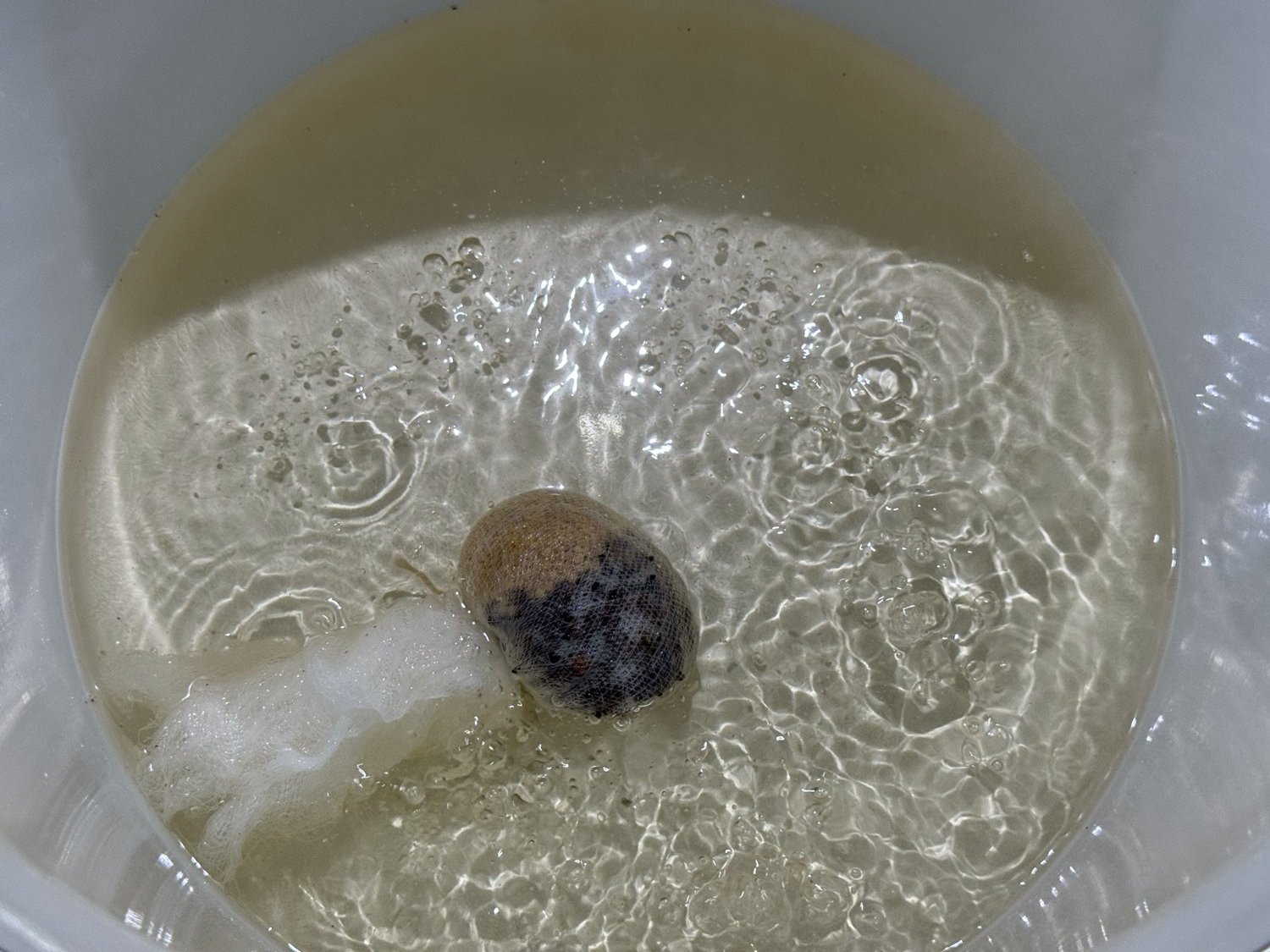
Next, we build the syrup and rest. Tie your mustard seed, allspice, cloves, and celery seed into a spice bag (or square of cheesecloth tied up with twine) and drop it into a pot with the sugar and vinegar. Bring it to a boil over medium heat, then pour that hot syrup right over your drained vegetables. Cover it and let it sit in the fridge for 24 hours. I know the waiting is the hard part, but the reason we rest it is so the vegetables soak up all that sweet-tangy flavor instead of tasting like plain cucumbers in liquid. The rest earns its keep on texture, too. Because we steep the cucumbers in hot syrup instead of simmering them on the stove, they keep their crunch and stay like actual cucumbers rather than cooking down into mush. It is worth it.
In a Hurry?

The 24-hour rest is about flavor and texture, not safety… your vinegar does the safety work either way. If you cannot wait overnight, you can simmer the drained vegetables right in the syrup for about 10 minutes and then can it the same day. Just know the flavor will not soak all the way through the way it does with the rest, and the relish can be a touch softer, since simmering the cucumbers cooks them more than the gentle steep does. If you plan to skip the rest often, it is worth using a recipe written and tested as a same-day, boil-then-can method, since those are dialed in for the shorter path.
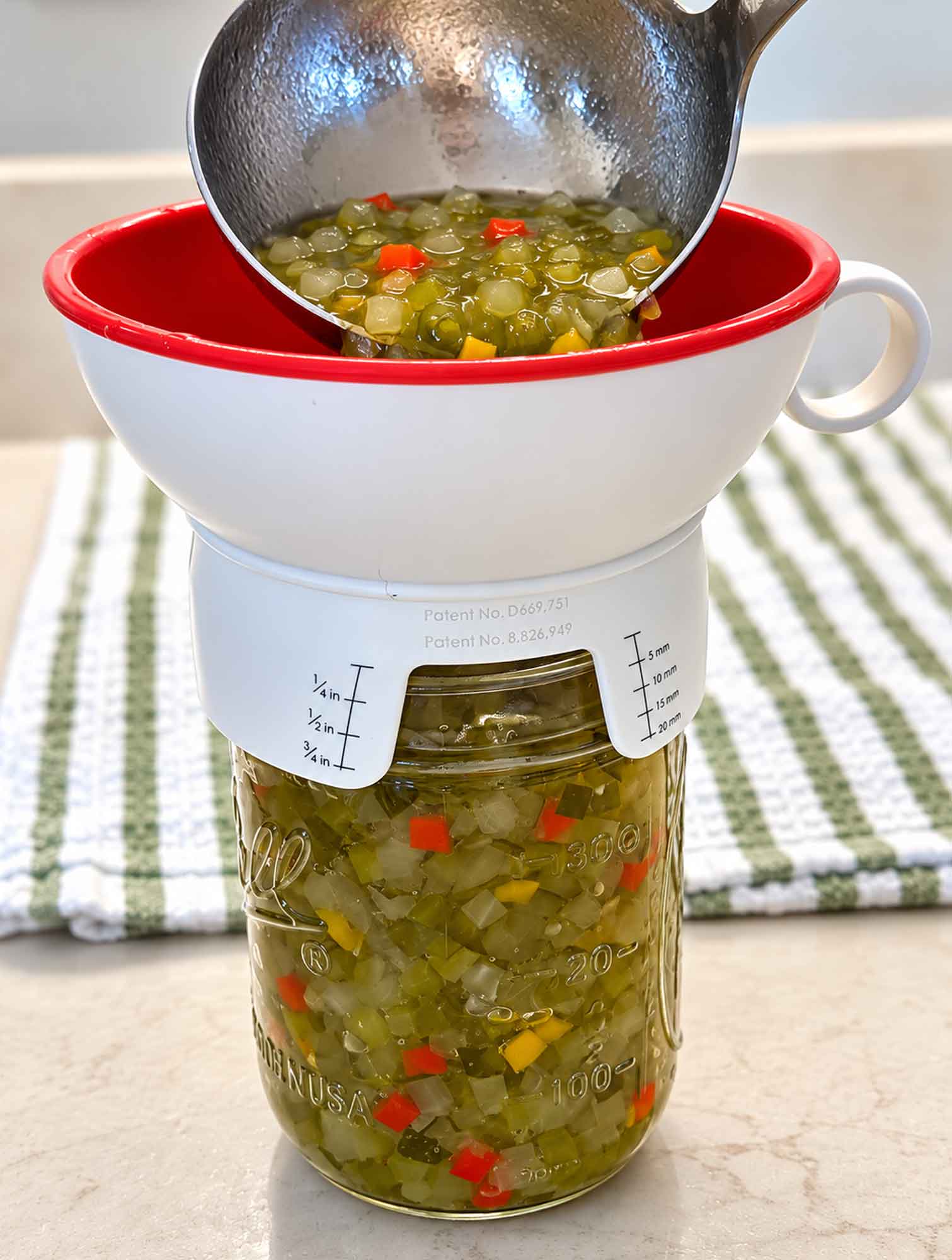
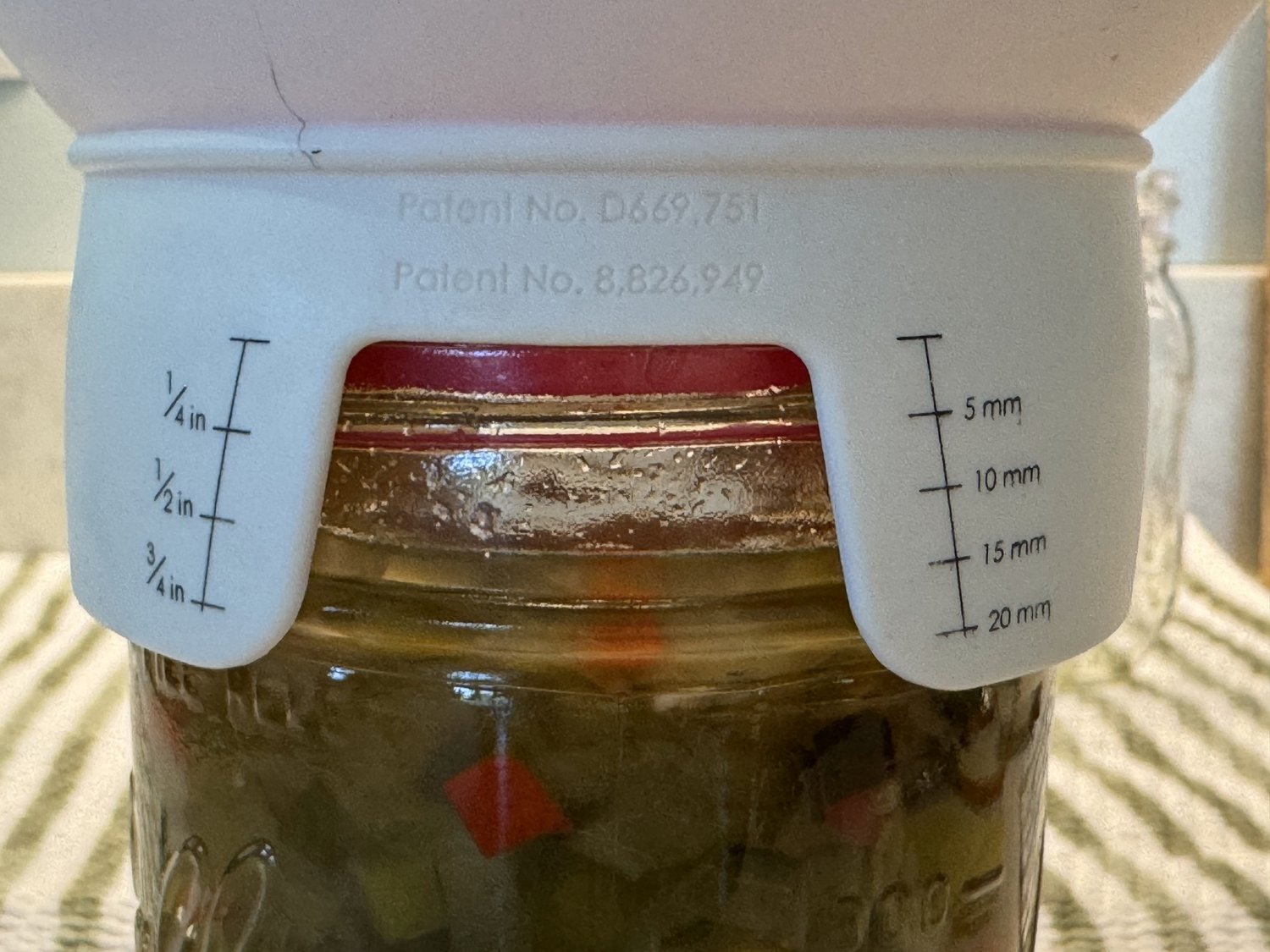
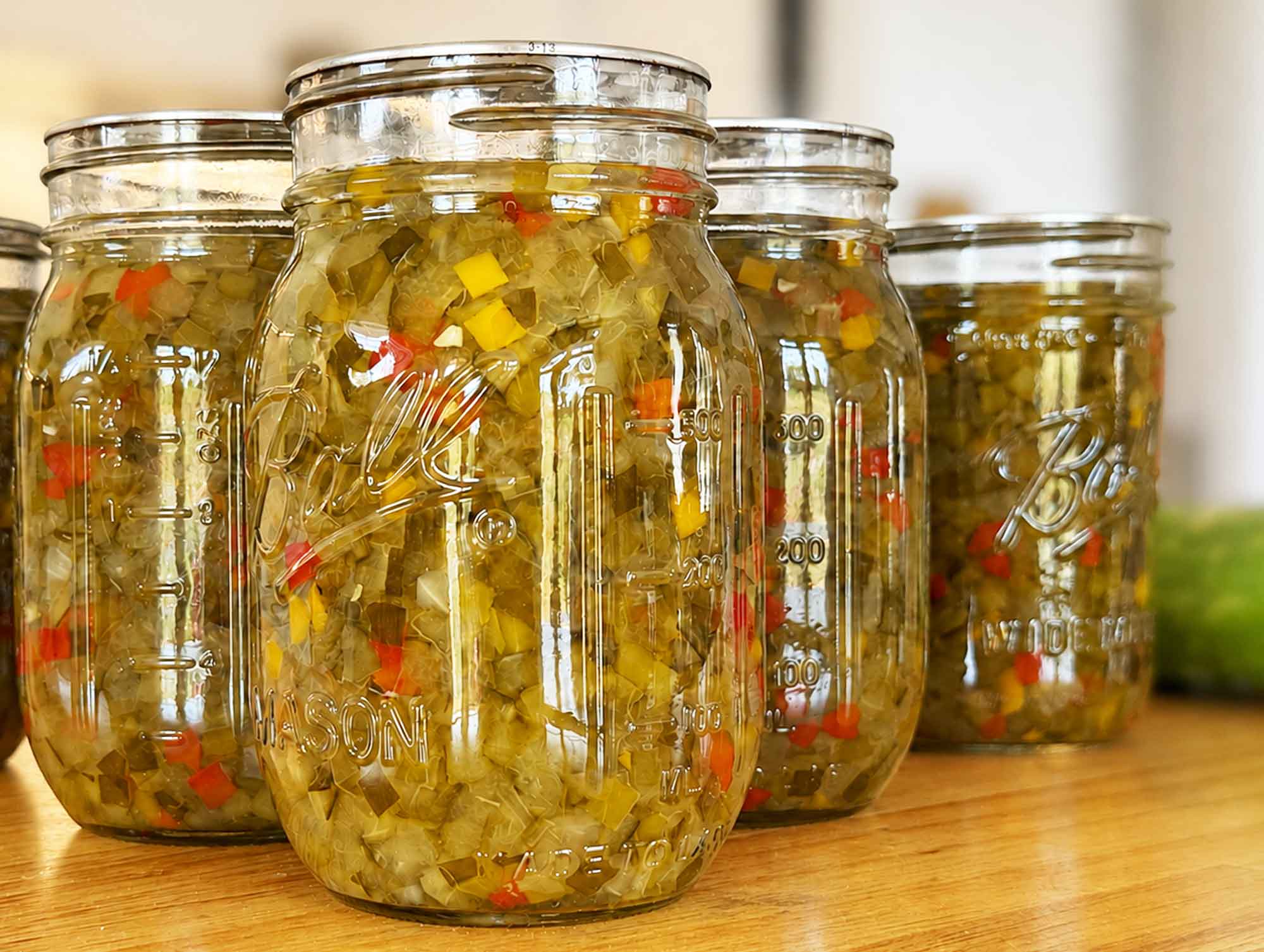
Finally, we can. The next day, bring the whole thing back up to a boil. Ladle the hot relish into clean, hot half-pint jars, leaving a half-inch of headspace at the top. Wipe the rims, set your lids and bands on finger-tight, and once the water returns to a rolling boil, process in the boiling water bath for 10 minutes (see the chart below for higher elevations). Make sure you don’t skip wiping the rims… a little stray syrup on the glass is the most common reason a jar refuses to seal. And always fill hot jars, since pouring hot relish into cold glass can crack it.
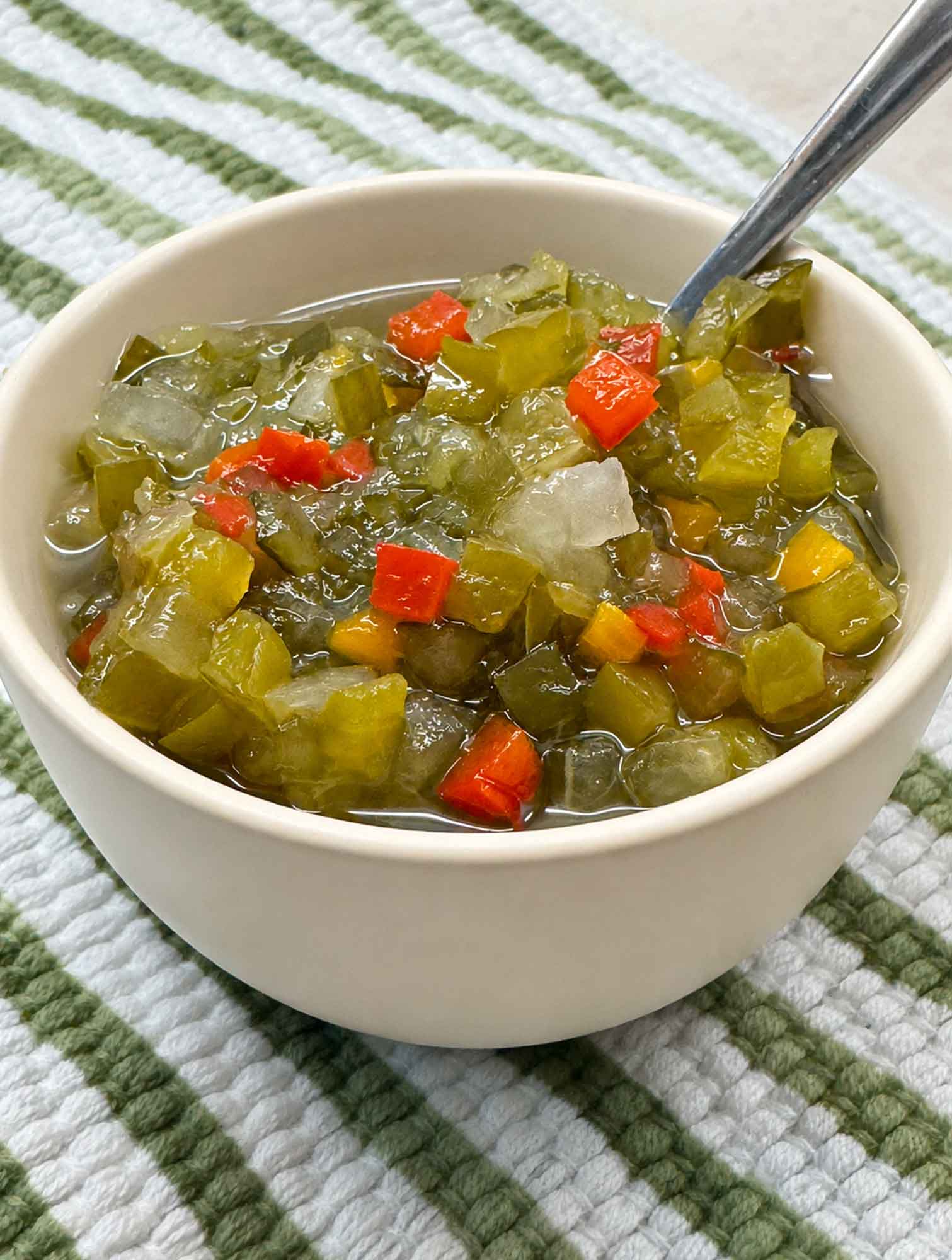
Sweet Pickle Relish for Canning
Equipment
- half-pint canning jars with two-part lids
- jar lifter
- bubble tool
- ladle
- colander
Ingredients
- 3 quarts cucumbers (seeds removed, skins on, finely chopped)
- 3 cups green bell pepper (finely chopped)
- 3 cups red bell pepper (finely chopped)
- 1 cup onion (finely chopped)
- 3/4 cup canning or pickling salt
- 4 cups ice
- 8 cups water
- 2 cups sugar (up to 3 cups for a sweeter, store-style relish)
- 4 teaspoons mustard seed
- 4 teaspoons whole allspice
- 4 teaspoons whole cloves
- 1 teaspoon celery seed
- 6 cups white vinegar (5% acidity)
Instructions
Instructions
- Combine the chopped cucumbers, green and red peppers, and onion in a large bowl with the canning salt, ice, and cold water. Let stand 4 hours at room temperature to maintain crispness.
- Drain. Re-cover the vegetables with fresh ice water and let stand 1 more hour. Drain again well.
- Tie the mustard seed, allspice, cloves, and celery seed into a spice or cheesecloth bag. Combine the sugar and vinegar in a large pot, then add the spice bag.
- Bring to a boil, then pour the hot mixture over the drained vegetables. Cover and refrigerate 24 hours (this will keep your relish crisp).
- Return everything to the pot and heat to boiling.
- Remove the spice bag, giving it a squeeze against the side of the pot first. Ladle the hot relish into clean, hot half-pint jars, leaving 1/2-inch headspace. Remove air bubbles, wipe the rims, and set lids and bands to fingertip-tight.
- Process in a boiling water bath (jars covered by 1 to 2 inches of water) for 10 minutes at elevations up to 1,000 feet. Adjust for altitude using the chart below.
- Turn off the heat, wait 5 minutes, then remove the jars and let them cool undisturbed at room temperature for 12 to 24 hours. Check that lids have sealed before storing.
Nutrition
Notes
Water Bath Processing Time (Half-Pints or Pints)
| Elevation | Processing Time |
|---|---|
| 0 to 1,000 ft | 10 minutes |
| 1,001 to 6,000 ft | 15 minutes |
| Above 6,000 ft | 20 minutes |
How to Use Your Sweet Relish
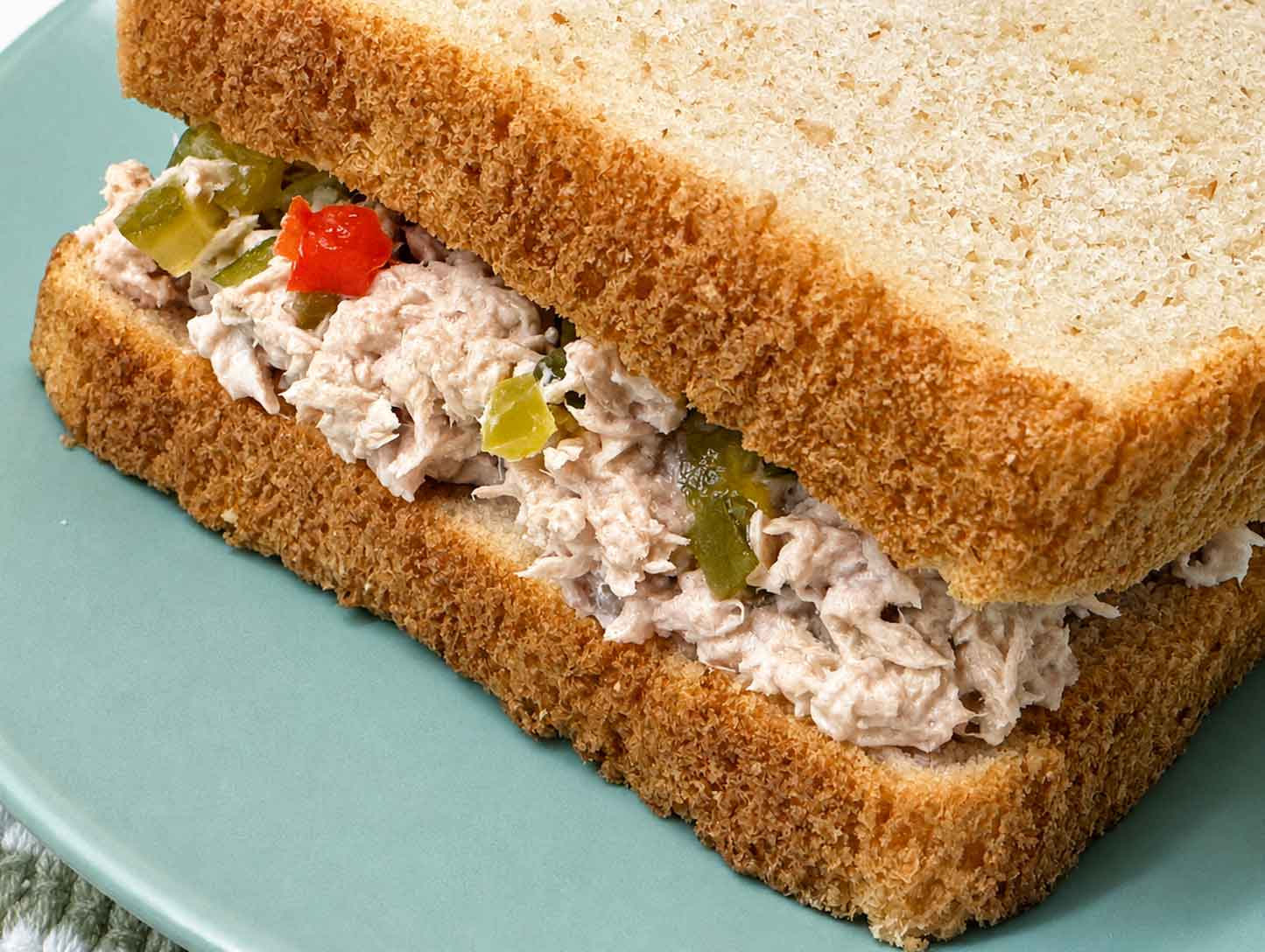
Tuna salad is the whole reason I keep relish in my house. I mix a couple of forkfuls into tuna with a little mayo, and that sweet-tangy pop is what makes it taste like more than just fish. Super easy, and super good.
It does not stop there, though. Stir it into egg salad, spoon it over hot dogs and brats, fold it into homemade tartar sauce for fish fry night, or mix it into a batch of potato salad or deviled eggs. Anywhere you want a little sweet and sour lift, this relish is perfect.
How to Store Sweet Pickle Relish
Once your sealed jars have cooled and you have confirmed the lids are firm and do not flex, wipe them down, label them with the date, and tuck them into a cool, dark place like a cupboard or pantry. Properly sealed, they will keep their best quality for about a year, though they stay safe longer. Any jar that did not seal is not a failure at all… just pop it in the fridge and use it within a few weeks. If you ever open a jar and something smells off, looks foamy, or the lid has unsealed on its own, don’t taste it, just toss it.
Not a canner, or only want a small batch? You can absolutely make this as a fresh refrigerator relish instead. Just follow the recipe right up to the point of filling the jars, skip the water bath entirely, and keep it in a covered container in the fridge. It will stay good for up to 6 weeks, which is plenty of time to work through a jar or two.
Just Want One Jar? Small-Batch Refrigerator Relish
Nine pints is a lot of relish if you are just seeing whether you like it. When I am testing a batch, I sometimes make a single jar for the fridge, no overnight soak or canner needed. Here is that pared-down version.
Small-Batch Refrigerator Sweet Relish (makes about 1 pint JAR)
1 1/2 cups finely chopped cucumber (skins on)
1/4 cup finely chopped green bell pepper
1/4 cup finely chopped red bell pepper
2 tablespoons finely chopped onion
1 tablespoon pickling or canning salt (for the soak, mostly drained off)
1/2 cup sugar (a little less for tangier, the full amount for Vlasic-sweet)
1/2 cup white vinegar (5% acidity)
1/2 teaspoon mustard seed
1/4 teaspoon celery seed
A pinch each of ground allspice and ground cloves, or 2 whole allspice and 2 whole cloves
Toss the cucumber, peppers, and onion with the salt and enough cold water to cover, and let them sit for 1 hour. Drain well and press out the extra water. In a small saucepan, bring the sugar, vinegar, mustard seed, celery seed, and allspice and cloves to a boil, stirring until the sugar dissolves. Stir in the drained vegetables and simmer for 5 minutes. Spoon into a clean pint jar, let it cool, cover, and refrigerate. It is best after a day in the fridge and keeps for 4 to 6 weeks. This one is for the refrigerator only, not for shelf canning.
Sweet Relish FAQ
Can I chop the vegetables a day ahead and finish in the morning?
Yes, and it is a lifesaver when the day gets away from you. Store the chopped cucumbers, peppers, and onion in a covered, airtight container in the fridge overnight, then start the timed soak fresh in the morning. Two things to remember: the cucumbers will weep some liquid overnight, which is totally normal, so drain that off before you begin. And don’t salt them ahead of time. The 4-hour salt soak is timed on purpose, and leaving them sitting in salt all night would over-draw the water and make the relish too salty and limp.
Do I have to soak the vegetables for 4 hours?
I know it feels like a lot, but yes, don’t skip it. The salt soak pulls out excess water so your relish stays crisp instead of watery in the jar.
How do I know when my vegetables are drained well enough?
You don’t need them bone dry, so don’t stress over it. Drain them in a colander or fine mesh strainer for a few minutes, and when you scoop up a handful and press gently, only a little water should come out, not a stream. For extra-crisp relish, you can press the vegetables lightly against the colander or gather them in a clean towel and give a gentle squeeze. The reason it matters is that leftover soak water waters down your syrup and leaves the relish thin, so a good drain is what gives you that thick, clingy texture.
How long do I boil the vinegar, sugar, and spices?
Just bring it up to a full boil and stir until the sugar is completely dissolved, then pour it right over the vegetables. You do not need to hold it at a boil or reduce it down. The flavor does not come from a long boil, it comes from the overnight rest.
Does the spice bag stay in during the 24-hour rest?
Yes. The bag goes in for the boil, gets poured over the vegetables along with the syrup, and stays right in there through the full 24-hour rest and the next day’s reboil. Think of it like a big pot of spice tea, because that long, cold soak is where most of the flavor pulls out of the seeds, cloves, and allspice. Just fish the bag out right before you ladle the relish into jars, and give it a squeeze against the side of the pot first.
Will the mustard seed make it taste mustardy?
No, it will not taste like prepared yellow mustard. Whole mustard seed steeped in the syrup and then removed gives a mild, warm, slightly tangy background note. That sharp mustard bite only develops when the seeds are ground and mixed with cold liquid, so left whole and simmered they stay mellow. It is actually part of what makes relish taste like relish. If you are nervous about it, you can cut it to 2 teaspoons, but I would not leave it out entirely.
Why did my relish come out yellow instead of green?
That golden color almost always comes from turmeric, so make sure you left it out. Peeled cucumbers will also give you a paler result, since the green lives in the skins.
Can I make it less sweet?
You can drop the sugar down toward 2 cups for a tangier relish, but I would not go below that. The sugar is part of the flavor balance, and cutting it too far leaves the relish sharp and thin. I would also skip sugar substitutes like granular Splenda for a canned batch, since they do not behave the same way in a shelf-stable pickle. If you want to use a sugar substitute, make a fresh refrigerator batch instead.
Can I use apple cider vinegar instead of white?
You can, as long as it is also 5% acidity, but it will tint the relish darker and add its own fruity note. For that clean, Vlasic-style look and taste, plain white vinegar is the way to go.
Can I make a dill pickle relish instead?
You can, though it is really a different recipe rather than a tweak of this one. A dill pickle relish swaps the sweet, spiced syrup for a tangy brine seasoned with dill seed and much less sugar, so it comes out sharp and savory instead of sweet. If that is the flavor you want, reach for a tested homemade dill relish recipe (sometimes called dill pickle relish) rather than cutting the sugar way down in this sweet one.
My jars didn’t all seal. What now?
It happens to all of us, so don’t worry. Move any unsealed jars straight to the refrigerator and use them within a few weeks. You can also reprocess within 24 hours with a fresh lid, but honestly, I usually just keep it in the fridge and start using it right away.
You’re going to love opening your own jar of homemade relish, knowing exactly what went into it and that not one bit of it is a mystery ingredient. Make a big batch while cucumbers are cheap or plentiful from your garden, and you will have that clean, sweet flavor waiting for you all year long.
Happy canning!
Love,
Jennifer
P.S. If you love having homemade staples on the shelf, here are a few more canning recipes and staples from my kitchen to put your relish to work:
- Easy Tuna Noodle Casserole, for another cozy way to use up that pantry tuna.
- Best Egg Salad Ever, a natural home for a spoonful of this relish.
- Old-Fashioned Potato Salad, sweet, tangy, and picnic-ready.
- Homemade Tomato Sauce, if you have caught the canning bug.
Tried this recipe?
Tap the stars in the recipe card to leave a quick rating. Your rating helps other home cooks know this recipe works in a real kitchen, not just mine.
And as a thank-you for your feedback, you will receive a free printable copy of my Maker Home Companion Cookbook, featuring my most popular recipes, each one formatted on a SINGLE, easy-to-use page, a perfect kitchen companion for easy meal prep. Click here to learn more about this cookbook and how you can get your copy!


Meet Jennifer
Jennifer cooks and experiments in the kitchen at Maker Farm, where she focuses on simple pantry cooking, homemade staples, and practical recipes that make everyday meals easier. Over the years she has tested many ways to make cooking simpler and more dependable, and shares the methods that work best in her own kitchen, occasionally showing them on her Heart to Home at Maker Farm vlog.
I have not made this yet but it sounds great and easy to do. So I will be making it a bit later this summer. i’m sure it will rate a definite 5. Thanks for all these recipes you have been doing.